
Broken Key Extraction in Waco, TX
Key Snapped in a Lock or Ignition
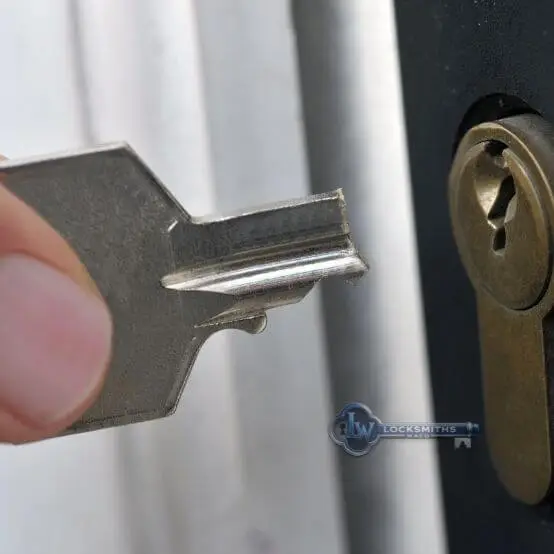
Key snapped off in your door, deadbolt, or ignition in Waco, TX? We remove broken key fragments using proper extraction tools, working to preserve your existing lock whenever possible — and cut you a replacement key on the spot in most cases.
We handle broken keys in residential, commercial, and vehicle locks. Before work begins, we’ll explain the recommended approach and discuss the charges upfront. If extraction is all it needs, we won’t push you toward a full lock replacement.
Have a Broken Key in Waco? We Can Help.
A snapped key can freeze your whole day. You’re standing on the porch, half a key in your hand and half still in the lock — here’s what to do first. Our broken key extraction service in Waco, TX uses specialized tools to remove the fragment while minimizing the risk of damage to the lock.
Here’s what matters right now: stop touching it. Repeated twisting or pushing can move the fragment deeper or make removal more difficult. If a substantial piece of the key is exposed, you may be able to grip it with pliers and pull straight out without twisting. If the fragment is flush with the lock or deeper inside, stop and call (254) 489-5888.
The DIY Traps That Turn a Quick Extraction Into a Lock Replacement
We get it — your first instinct is to fix it yourself. But broken key extraction is one of those jobs where the wrong DIY move doesn’t just fail, it makes the professional fix harder and more expensive. Here are three approaches to avoid:
The superglue trick. You’ve probably seen the video: dab superglue on a stick, press it against the fragment, wait, pull. Here’s what the video doesn’t show: glue can spread into the keyway and bond the fragment to internal components. What was a straightforward extraction can become a cylinder replacement. We’ve seen locks damaged by a single careless drop of superglue. Do not do this.
Forcing the broken half back in. It feels logical — push the piece you have against the piece in the lock and turn them together. But the break faces don’t interlock, so the jagged end can wedge the fragment tighter against the pins. If the plug isn’t sitting in its normal position, reinserting the broken half can make removal harder. Repeated attempts usually make things worse.
Bobby pins, paper clips, and tweezers fishing. Tweezers can work if enough key is sticking out to grip firmly — a straight, confident pull. But fishing blindly with thin metal inside the keyway can scratch the plug, bend wafers in ignitions, or push the fragment deeper. The rule is simple: if you can’t see at least a few millimeters of key to grab, stop and call (254) 489-5888.
One honest exception: a shot of the right lock lubricant (dry graphite or PTFE — never oil-based sprays) into the keyway can help a fragment slide, though it’s not right for every lock. But lubricant is a helper, not a solution. If the fragment doesn’t come out with one careful attempt, stop — it needs professional tools.
Extraction First
Where the lock’s condition allows, we try to remove the broken fragment and preserve your existing lock before considering replacement.
Honest Recommendations
After broken key extraction, we check the lock’s operation and explain your repair or replacement options. Our Waco locksmith team recommends practical solutions based on the lock’s condition, helping you restore reliable access while avoiding unnecessary hardware replacement.
Our Broken Key Extraction Process
Here’s what to expect from your call to the lock working again:
- You call (254) 489-5888. Door lock or ignition? Any key sticking out? Did anyone already try to fish it out? That helps us come prepared with the right tools.
- If we’re available for your area, we come to you — your driveway in Hewitt, the office on Loop 340, the storage unit off I-35 — and the work happens where the broken key is.
- We assess before touching anything. Fragment depth, pin condition, whether the plug is turned. A careful look first saves a lot of wrong moves later.
- We extract with the right tool for the job — hook extractors, spiral extractors, or whatever the fragment’s position calls for, with lubricant where it helps.
- We test the work. If a fresh-cut key is available, it goes in, and the cylinder should turn smooth and clean — lock, unlock, repeat — before we call it done.
That’s it. Many broken-key jobs are handled in a single visit with your existing lock intact. We’ll discuss pricing before any work begins.
Call Us
If you’ve got a broken key stuck in a lock in Waco — or the fragment is sitting in your ignition and your car won’t start — call (254) 489-5888. Tell us what broke and where, and we’ll talk through the next steps.
One thing worth knowing: in Texas, locksmiths are regulated by the Texas Department of Public Safety’s Private Security Bureau under Occupations Code Chapter 1702. It’s reasonable to ask any locksmith who shows up about their company’s credentials before they start work. A legitimate operator will answer without hesitation.
We Dispatch a Locksmith
When you call, we can send a mobile locksmith to your location in Waco and the surrounding suburbs — Woodway, Hewitt, Bellmead, Robinson, Lorena, China Spring, and McGregor included, subject to availability. In many cases there’s no towing for ignition breaks and no removing the door to “take it to the shop” — the work happens where the broken key is.
What to have ready: the broken half of the key (don’t throw it away — it can help us identify the key’s cuts), and access to the lock. If it’s a car, have your ID and vehicle registration handy — we may ask for proof of ownership before working on any ignition.
We Extract the Fragment
This is the precision part — the right tools and a steady hand are what separate a clean extraction from a damaged cylinder.
Hook extractors — thin, flat strips of spring steel with a tiny barb at the tip. We slide the extractor into the keyway alongside the fragment, barb facing the key’s cuts, then ease it back so the barb catches a tooth on the fragment and pulls it straight out. Our first choice for breaks near the face of the lock, used carefully to avoid damaging the pins.
Spiral extractors — thin, flexible shafts with a threaded, corkscrew-like tip. For fragments buried deeper in the keyway, we thread the spiral in beside the fragment and rotate gently so the threads can grip the metal. Slow, controlled twists ease the fragment backward out of the cylinder. This is the tool for jobs where nothing is visible at the keyway.
Lubrication — where it helps, we apply a dry-film or PTFE lubricant into the keyway. Not oil, not WD-40 — petroleum products can attract dust and gum up pin chambers over time. The right lubricant reduces friction so the extractor can work with less force.
Ignitions get special handling. Many car ignitions don’t use pins — they use wafers, which are thinner and easier to bend. We avoid prying, twisting the plug, or forcing a fragment that resists. If the fragment is bound against a wafer, forcing it can turn a simple extraction into an ignition cylinder replacement. Careful, patient work matters most here.
We work under good light, inspect carefully, and stop the moment something doesn’t feel right. Diagnosing a bound fragment before applying force is the key skill.
We Test Everything
Extraction isn’t finished when the fragment comes out — it’s finished when the lock works. Where possible, we check the job three ways:
- When a suitable key is available, the cylinder should turn smoothly — lock, unlock, repeat — with no catching or grinding.
- The door or ignition gets a function check for its type — deadbolt throw, latch retraction, or ignition cycling where appropriate and safe.
- If the original key looks worn or damaged, we compare it against the fragment and tell you — because going back to the same weak key risks another break.
If the lock still doesn’t operate properly, we explain what we can see and discuss the repair or replacement options. The decision is yours.
Frequently Asked Questions
If enough of the key is exposed to grip securely, you may be able to pull it straight out gently with pliers. Avoid twisting or forcing it. If the break is flush with the lock face or deeper inside, stop. Avoid fishing blindly with tweezers or pins — it can push the fragment deeper or damage the pins, turning a simple extraction into a bigger repair. When in doubt, call a locksmith.
Yes — we handle ignition extractions regularly. But ignitions are different from door locks: many use thin wafers instead of pins, and those wafers bend easily. We typically use spiral extractors and dry lubricant, avoiding prying or force, and we don’t twist the ignition plug. If the key had a transponder chip, a replacement may be available depending on the vehicle and equipment — contact us to confirm. Just don’t try to start the car with the broken half — forcing it could move the fragment or cause further damage.
Not necessarily. A broken key is often a key problem rather than a lock problem — the fragment can usually be removed without replacing the entire lock, depending on its condition. We may recommend replacement if the lock was already failing (sticky, gritty, needed jiggling), if a DIY attempt damaged the pins, if the hardware is worn out, or if security needs call for it. We check the cylinder after extraction and explain why if replacement looks like the better call.
Because superglue doesn’t stay where you put it. It can spread past the fragment into the keyway and bond the broken key to internal components. Adhesive can turn a straightforward extraction into a full lock replacement. Skip it.
It depends on the lock type, how deep the fragment is, and whether it’s a door lock or an ignition — so we confirm pricing before any work begins. As a rough guide, the cost varies by lock type and complexity — vehicle ignition work may involve different pricing than a standard door lock. We’ll explain the recommended work and applicable charges before proceeding.
In many cases, yes. The broken pieces can help identify the original key’s shape and cuts — often enough to cut a fresh key, which is far better than copying a worn one. For vehicles with transponder or laser-cut keys, replacement options depend on the vehicle and key type — contact us to confirm. Keep the broken half of the key if possible — it may provide useful information.
Three things: avoid repeatedly turning the lock or trying to remove the fragment, keep the broken half of the key, and make sure the door or vehicle is accessible when help arrives. If you’re locked out, wait somewhere safe while arranging assistance. If it broke in the ignition, avoid repeatedly turning it or trying to start the vehicle. And resist the urge to “just try one more thing” with household tools — that usually makes extraction harder.
What We Do
Our Key & Lock Services
From broken key extraction to lock rekeying, repair, and emergency lockouts, we provide professional locksmith services throughout Waco. Explore our services below to find the right solution for your home or business.